

How a farmer on onion farming from Nashik grew successful and profitable 195 quintal onion.
Onion Farming: A Complete Guide to Growing Onions Successfully and Profitable
Onion farming is one of the most important successful and profitable vegetable farming activities in India. Onion is used almost every day in Indian kitchens and has strong demand in both domestic and commercial markets. With proper planning, good-quality seeds, scientific cultivation practices, and effective pest and disease management, farmers can achieve good onion yields and improve their income.
India has suitable climatic conditions for growing onions in different seasons and regions. However, successful & profitable onion farming cultivation requires careful attention at every stage, from seed selection and nursery preparation to harvesting and storage. This detailed guide explains the complete Onion Farming Successful & Profitable – Healthy onion crop growing in a well-maintained field, including soil and climate requirements, varieties, land preparation, nursery management, transplanting, irrigation, fertilizers, pest and disease management, harvesting, storage, and profitability.
 Grow healthier onions, increase productivity, and maximize your Onion Farming Successful & Profitable – cultivation practices.
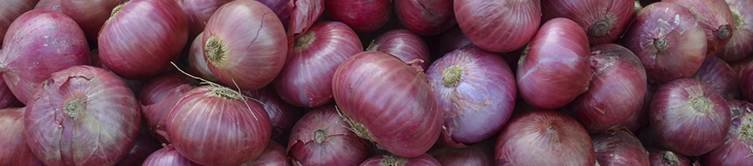
Onion farming is one of the most profitableand successful commercial vegetable crops grown across India. It is an essential ingredient in almost every household, making its demand consistent throughout the year.
SUCCESSFUL AND PROFITABLE ONION FARMING Demands High Market.
The demand for onions remains steady throughout the year because they are used in homes, hotels, restaurants, food processing industries, and exports.
In Oninon farming Major Benefits:
-
- High income potential
-
- Suitable for different climates
-
- Can be stored for several months
-
- Excellent market opportunities
-
- Export demand
-
- Tip: Proper storage can help farmers sell onions when market prices rise.
Best Climate and Soil for profitable & successful farming oninon : Climate Requirements for Onion Farming
Onion is a cool-season crop during its early growth stage, while bulb development generally requires suitable temperatures and longer daylight conditions depending on the variety.
The ideal temperature for onion cultivation is generally around 13°C to 24°C during vegetative growth, although suitable conditions vary according to the variety and growing season.
Good climatic conditions are important for Successful & Profitable onion farming -because extreme temperatures can affect bulb formation and quality.
Important climatic requirements include:
-
- Moderate temperatures during early plant growth.
-
- Adequate sunlight for healthy bulb development.
-
- Dry weather toward maturity.
-
- Low humidity during harvesting.
-
- Protection from excessive rainfall and waterlogging.
Excessive rainfall near maturity can increase the risk of fungal diseases and may cause bulbs to rot and can affect on Onion Farming Successful & Profitable – Similarly, very high temperatures can affect bulb development and reduce crop quality.
Onions grow best in cool weather during early growth and warm, dry conditions during bulb formation which results into succesful and profitable onion farming.
Temperature
-
- Germination: 20–25°C
-
- Growth: 15–30°C
-
- Harvest: Dry weather preferred
Suitable Soil The best soil for onion cultivation is,Well-drained loamy soil, Sandy loam soil, Rich in organic matter& Soil pH between 6.0 and 7.5. Avoid waterlogged fields, as they increase disease risk.
Field Preparation :Deep ploughing, Removing weeds, Adding well-decomposed farmyard manure & Levelling the land.
Soil Requirements
Onion can be cultivated in different types of soil, but well-drained sandy loam to clay loam soil is generally suitable.
The soil should be fertile, loose, and capable of draining excess water effectively. Waterlogging can damage onion roots and increase disease problems.
Suitable soil characteristics for Successful & Profitable onion farming.
-
- Good drainage
-
- Good organic matter content
-
- Loose and friable structure
-
- Adequate fertility
-
- Suitable soil pH, generally around 6.0–7.5
Before planting, farmers should ideally conduct a soil test. Soil testing helps determine the availability of nutrients and allows farmers to apply fertilizers according to the actual requirements of the field.
Adding well-decomposed farmyard manure or compost can improve soil structure and organic matter.
3.For Onion Farming Successful & Profitable, Selection of Onion Varieties is Important
Choosing the right onion variety is one of the most important decisions for Onion Farming Successful & Profitable Farmers should select varieties according to their region, climate, planting season, market demand, storage requirement, and expected maturity period.
Different onion varieties may produce bulbs of different sizes, shapes, colors, and storage qualities.
Common categories include:
-
- Red onions
-
- White onions
-
- Yellow onions
-
- Short-day varieties
-
- Long-day varieties
-
- Intermediate-day varieties
Farmers should purchase certified, disease-free seeds from reliable sources. Selecting varieties recommended for the local region can help in oninon farming to improve productivity, success , profitablity and reduce cultivation risks.
Apply compost before planting to improve soil fertility.
Land Preparation for Onion Farming to be Successful & Profitable
Proper land preparation provides onions with a good environment for root development and bulb formation.
The field should be thoroughly ploughed and brought to a fine tilth. Large soil clods should be broken before planting.
Land preparation steps:
-
- Remove weeds and previous crop residues.
-
- Plough the field thoroughly.
-
- Add well-decomposed farmyard manure or compost.
-
- Break large soil clods.
-
- Level the field properly.
-
- Prepare raised beds or suitable planting beds.
-
- Ensure proper drainage.
Raised beds can be particularly useful in areas where excessive rainfall or poor drainage is a concern.
Good field preparation also makes irrigation, weeding, fertilizer application, and harvesting easier.
Raising Healthy Seedlings
Healthy seedlings are the foundation of a successful and profitable onion farming crop. Use quality certified seeds, Prepare raised nursery beds, Irrigate lightly &Protect seedlings from pests.
Seedlings are generally ready for transplanting in 45–60 days, depending on season and variety.
Nursery Management
For Onion Farming to be Successful & Profitable ,onion-growing systems, onions are first raised in a nursery and later transplanted into the main field.
A healthy nursery is the foundation of a successful onion crop.
Select a nursery site with good drainage and adequate sunlight. The nursery soil should be fertile and free from major soil-borne diseases.
Important nursery practices:
-
- Use quality seeds.
-
- Prepare fine, raised nursery beds.
-
- Maintain appropriate soil moisture.
-
- Avoid excessive irrigation.
-
- Keep the nursery free from weeds.
-
- Monitor seedlings regularly for pests and diseases.
Seeds should be sown evenly to avoid overcrowding. Excessively crowded seedlings may become weak and thin.
Seedlings should generally be transplanted when they are healthy and sufficiently developed. The exact transplanting age depends on the variety and growing conditions.
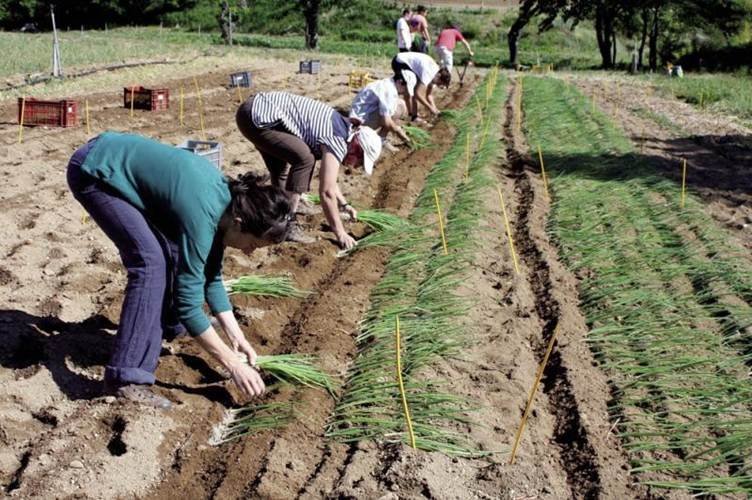
Transplanting
Transplant healthy seedlings into prepared fields for Onion Farming to be Successful & Profitable
Spacing: Plant spacing: 10–15 cm & spacing: 15–20 cm
Proper spacing ensures: Better air circulation, Healthy bulb development &Reduced disease incidence.
Nursery Management
In many onion-growing systems, onions are first raised in a nursery and later transplanted into the main field.
A healthy nursery is the foundation of a successful onion crop.
Select a nursery site with good drainage and adequate sunlight. The nursery soil should be fertile and free from major soil-borne diseases.
Important nursery practices for Onion Farming Successful & Profitable:
-
- Use quality seeds.
-
- Prepare fine, raised nursery beds.
-
- Maintain appropriate soil moisture.
-
- Avoid excessive irrigation.
-
- Keep the nursery free from weeds.
-
- Monitor seedlings regularly for pests and diseases.
Seeds should be sown evenly to avoid overcrowding. Excessively crowded seedlings may become weak and thin.
Seedlings should generally be transplanted when they are healthy and sufficiently developed. The exact transplanting age depends on the variety and growing conditions.
Irrigation Management& Water Requirement
Onions require regular but controlled irrigation.
Best Practices: Irrigate immediately after transplanting, Water every 7–10 days, depending on soil and weather, Stop irrigation 10–15 days before harvest to improve bulb quality and storage.
Overwatering reduces storage life.
Irrigation Management
Water management is extremely important in onion farming. Onion has a relatively shallow root system, so maintaining suitable soil moisture is necessary for healthy growth.
At the same time, excessive irrigation can be harmful.
Good irrigation practices include:
-
- Irrigate after transplanting when necessary.
-
- Maintain uniform soil moisture.
-
- Avoid prolonged dry conditions.
-
- Avoid waterlogging.
-
- Reduce or stop irrigation as the crop approaches maturity, depending on local conditions.
The frequency of irrigation depends on soil type, weather, crop stage, rainfall, and irrigation method.
Drip irrigation can help deliver water directly near the root zone and may improve water-use efficiency.
Nutrient Management& Balanced Fertilization
A balanced nutrient plan helps improve bulb size and overall yield.
Essential Nutrients : Nitrogen (N), Phosphorus (P), Potassium (K), Sulphur& Organic manure.
Integrated nutrient management combining organic matter, balanced fertilizers, and biofertilizers supports soil health and productivity. To get the complete list, click here https://mahadhan.co.in/crop-portfolio/banana-farming/
Fertilizer and Nutrient Management
Onion requires balanced nutrition for proper leaf growth and bulb development. Applying excessive fertilizer without understanding soil conditions can increase production costs and may negatively affect crop quality.
Farmers should ideally use soil-test-based fertilizer recommendations.
Important nutrients include:
-
- Nitrogen
-
- Phosphorus
-
- Potassium
-
- Sulphur
-
- Micronutrients where deficient
Nitrogen supports vegetative growth, while phosphorus contributes to root development and potassium plays an important role in overall plant health and bulb development.
Sulphur is also important for onion growth and contributes to the characteristic flavor of onions.
Instead of applying all fertilizer at once, farmers may use appropriate split applications according to crop requirements and local agricultural recommendations.
Weed Management
Weeds compete with onion plants for water, nutrients, sunlight, and space. Because onions initially grow slowly, weeds can become a serious problem during the early stages.
Regular weed management is therefore essential.
Weed control methods include:
-
- Manual weeding
-
- Hoeing
-
- Mulching
-
- Mechanical cultivation where suitable
-
- Recommended herbicides under expert guidance
Farmers should avoid damaging onion roots while removing weeds manually.
Maintaining a clean field during the critical early growth period can help improve crop establishment and yield.
Keep the Field Clean
Weeds compete for:
-
- Water
-
- Nutrients
-
- Sunlight
Methods
-
- Manual weeding
-
- Mulching
Pest and Disease Management
Important Pests: Thrips & Onion maggot.
Pest Management
Onion crops can be attacked by several insect pests. One of the important pests is the onion thrips, which damages leaves by sucking plant sap.
Common symptoms of thrips infestation:
-
- Silvery patches on leaves
-
- Curling or distortion of leaves
-
- Yellowing or drying of leaves
-
- Reduced plant growth
-
- Poor bulb development in severe cases
Other pests may also affect onions depending on the region.
Farmers should regularly inspect the crop rather than waiting until severe damage occurs.
An Integrated Pest Management (IPM) approach is recommended. It can include field sanitation, crop monitoring, suitable irrigation management, biological control where appropriate, and need-based use of registered pesticides according to local agricultural recommendations.
Always follow the pesticide label, recommended dose, waiting period, and applicable local regulations.
Major Diseases : Purple blotch, Downy mildew & Basal rot
Pest Management
Onion crops can be attacked by several insect pests. One of the important pests is the onion thrips, which damages leaves by sucking plant sap.
Common symptoms of thrips infestation:
-
- Silvery patches on leaves
-
- Curling or distortion of leaves
-
- Yellowing or drying of leaves
-
- Reduced plant growth
-
- Poor bulb development in severe cases
Other pests may also affect onions depending on the region.
Farmers should regularly inspect the crop rather than waiting until severe damage occurs.
An Integrated Pest Management (IPM) approach is recommended. It can include field sanitation, crop monitoring, suitable irrigation management, biological control where appropriate, and need-based use of registered pesticides according to local agricultural recommendations.
Always follow the pesticide label, recommended dose, waiting period, and applicable local regulations.
Prevention :Crop rotation, Good drainage, Balanced fertilization ,Timely monitoring & Recommended fungicides/insecticides when needed.
Preventive practices:
-
- Use healthy and certified seeds.
-
- Maintain proper spacing.
-
- Avoid excessive irrigation.
-
- Ensure good field drainage.
-
- Remove severely infected plant material.
-
- Follow crop rotation.
-
- Keep nursery beds clean.
Disease management should begin with prevention. Correct identification of the disease is important before using any chemical treatment. Farmers should consult local agricultural experts or extension officers for suitable registered treatments.
Early detection prevents major crop losses.
Harvesting
Harvest when : Leaves turn yellow, Tops bend naturally &Bulbs reach full size
Harvesting Onion Crop
Knowing the correct harvesting time is essential for producing good-quality onions.
As onions mature, their leaves gradually turn yellow and begin to bend or fall over. The bulbs develop their characteristic size and color.
Harvesting too early may result in immature bulbs with poor storage quality. Delayed harvesting, especially during unfavorable weather, can increase losses.
Basic harvesting process:
-
- Stop irrigation appropriately before harvesting.
-
- Allow the crop to reach physiological maturity.
-
- Carefully lift or uproot the bulbs.
-
- Avoid cutting or bruising the bulbs.
-
- Leave bulbs for curing under suitable dry conditions.
Farmers should handle bulbs carefully because mechanical injuries can become entry points for storage diseases.
Harvest Tips: Harvest during dry weather, Cure onions in shade for 10–15 days & Remove excess roots and dried leaves.
Storage
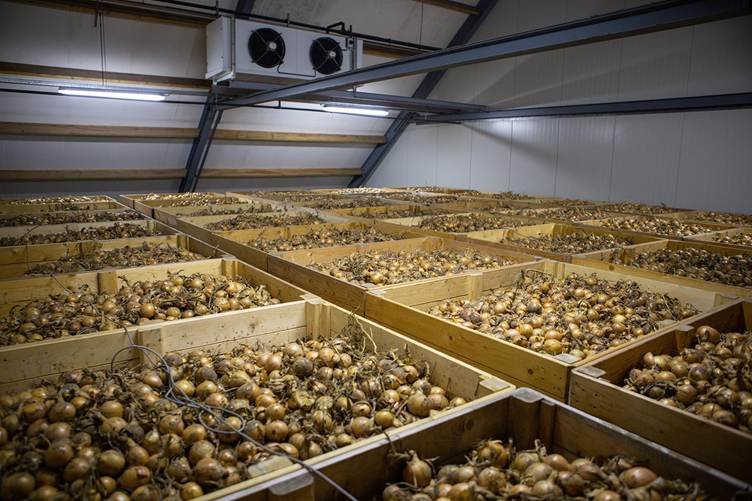
Proper Storage Increases Profit
Store onions in: Well-ventilated structures ,Dry conditions & Raised platforms.
Curing and Storage
Proper curing is one of the most important steps after onion harvesting. Curing helps dry the outer skin and neck, improving the storage life of bulbs.
Onions should be cured in a clean, dry, well-ventilated location under suitable weather conditions.
After curing:
-
- Remove excess soil.
-
- Trim dried leaves appropriately.
-
- Remove damaged or diseased bulbs.
-
- Grade onions according to size and quality.
-
- Store healthy bulbs separately.
Good storage facilities should provide adequate ventilation, low moisture, and protection from rain and excessive humidity.
Poorly ventilated storage can increase rotting and sprouting
Benefits :Reduced spoilage, Better shelf life & Higher market price.
Onion Yield and Profitability
The profitability of onion farming depends on several factors, including:
-
- Variety
-
- Seed quality
-
- Soil fertility
-
- Weather
-
- Irrigation
-
- Fertilizer cost
-
- Pest and disease control
-
- Labour costs
-
- Yield per acre
-
- Market price
-
- Storage and transportation expenses
Market prices can fluctuate significantly depending on production levels and seasonal demand. Therefore, farmers should not calculate expected profit based only on the highest market price.
A simple profitability calculation can be made by comparing total production costs with total revenue.
Net Profit = Total Sales Revenue − Total Cultivation Cost
Farmers who have access to good storage facilities may have more flexibility in deciding when to sell, but storage itself also involves costs and risks.
Marketing Tips-Sell Smart
Instead of selling immediately: Monitor market prices ,Store quality onions, Sell during higher-price periods& Explore wholesale markets and exports.
Tips for Successful Onion Farming
Farmers can improve their chances of success by following a systematic approach.
Key tips for Onion Farming to be Successful & Profitable
-
- Select a variety suitable for your region.
-
- Use certified and healthy seeds.
-
- Conduct soil testing before planting.
-
- Prepare well-drained soil.
-
- Maintain appropriate plant spacing.
-
- Follow balanced nutrient management.
-
- Avoid excessive irrigation.
-
- Monitor the crop regularly.
-
- Control weeds during early growth.
-
- Identify pests and diseases at an early stage.
-
- Harvest only after proper maturity.
-
- Cure onions properly before storage.
-
- Store only healthy and undamaged bulbs.
-
- Monitor market prices before selling.
-
- Maintain records of input costs and crop yield.
Common Mistakes Farmers Should Avoid
Avoid These Errors : Over-irrigation, floor drainage, Low-quality seeds ,Excess nitrogen, Late harvesting & Improper storage
Small improvements in crop management can make a big difference in profit.
Visit – https://mahadhan.co.in/soil-lab/
NABARD’s golden initiative
The National Bank for Agriculture and Rural Development (NABARD) initiated a noble program where it trained the farmers for modern farming techniques
Apart from the good yield, the new techniques helps farmer to save labour cost for irrigation, fertiliser application and removal of weeds. And guess what, farmer can save around Rs. 6,000 per acre.
If you too want to learn about modern farming techniques and get valuable tips, visit https://mahadhan.co.in/crop-portfolio/onion-farming/
Conclusion
Onion farming can be a successful profitable and agricultural business when managed scientifically and carefully. However, success does not depend on a single factor. Farmers need to pay attention to the complete production cycle, starting with variety selection and nursery management and continuing through transplanting, irrigation, nutrition, weed control, pest and disease management, harvesting, curing, and storage.Onion farming offers excellent earning potential when supported by proper planning, quality planting material, balanced nutrition, irrigation management, and good storage practices. By adopting scientific cultivation methods, farmers can improve productivity, reduce losses, and achieve better returns.
The most important practices for Onion Farming Successful & Profitable are using quality planting material, maintaining good drainage, providing balanced nutrition, managing irrigation properly, monitoring pests and diseases, and handling harvested bulbs carefully.
Before adopting a specific fertilizer, pesticide, or cultivation schedule, farmers should consider their local soil, climate, variety, and recommendations from the local agricultural department or qualified agricultural expert. With proper planning and scientific farming practices, onion cultivation can provide good-quality produce and create a valuable source of farm income.
 Farming success begins with informed decisions and consistent crop care.
What onion farming challenges have you faced? Share your experience in the comments and help fellow farmers learn from your journey!